Category: Blog

The Importance of Particle Shape in Material Performance

You’ll find that particle shape critically impacts your material’s mechanical strength, flowability, chemical reactivity, and thermal behavior. Irregular or elongated particles can induce stress concentrations, reduce flow efficiency, and boost surface area for reactions, while spherical shapes improve uniform stress distribution and processing ease but may limit interparticle contact Zeta Potential. Precise shape control lets you tailor performance for specific applications. Exploring particle morphology further reveals advanced characterization methods and application-driven design strategies essential for optimizing overall material performance.

Impact of Critical Material Attributes (CMAs)-Particle Shape on Miniature  Pharmaceutical Unit Operations - Pharma Excipients

Effects of Particle Shape on Mechanical Strength

Although often overlooked, the shape of particles plays a critical role in determining the mechanical strength of materials. When you analyze fracture mechanics, irregular or angular particles tend to create stress concentration points, which can initiate cracks more readily under load. Conversely, rounded particles distribute stress more evenly Lab Alliance, enhancing fatigue resistance by reducing crack propagation rates. As you optimize particle geometry, you directly influence the material’s ability to withstand cyclic loading without failure. This precise control over particle shape allows you to engineer composites with tailored mechanical properties, increasing durability and performance. By understanding these relationships, you gain freedom to design materials that meet specific strength requirements without compromising reliability, ultimately advancing applications where mechanical integrity under repeated stress is paramount.

Influence of Particle Shape on Flowability and Processing

You’ll find that particle shape critically influences flow behavior, affecting how materials move through processing equipment. Irregular or elongated particles can disrupt flowability, reducing processing efficiency and complicating handling. Understanding these dynamics is essential to optimize mixing, transport, and overall manufacturing performance.

Shape Effects on Flow

When you look closely at how particles move and interact during processing, their shape plays a crucial role in determining flowability. Irregular shapes disrupt packing dynamics, creating voids and increasing interparticle friction. Surface roughness further hinders smooth movement, reducing flow efficiency. Understanding these effects lets you optimize material handling.

Key shape effects on flow include:

  1. Angular particles increase resistance and reduce flow due to interlocking.
  2. Spherical particles promote uniform packing and smoother flow paths.
  3. Elongated shapes cause alignment challenges, impacting flow consistency.

Processing Efficiency Factors

Since particle shape directly affects flowability, it plays a critical role in processing efficiency across various material handling operations. When particles have an irregular or elongated shape, they tend to interlock, reducing flowability and consequently lowering processing throughput. You’ll notice that smoother, more spherical particles flow more freely, enabling higher throughput rates with less interruption. This improvement not only speeds up operations but also reduces energy consumption by minimizing the mechanical work needed to move and process materials. Optimizing particle shape consequently directly enhances your system’s efficiency, allowing you to process materials faster while using less power. By controlling particle morphology, you can achieve a balanced trade-off between flowability and mechanical stability, ultimately improving your operational freedom and resource efficiency without compromising product quality.

Handling and Mixing Dynamics

Although particle shape markedly influences flowability, its impact extends deeply into handling and mixing dynamics, affecting both efficiency and uniformity. When you consider mixing kinetics, irregularly shaped particles often slow the process due to increased interlocking, reducing free movement. This directly affects blend homogeneity, vital for consistent material performance. Additionally, hopper segregation becomes a significant concern; particles with varied shapes segregate differently under gravity, leading to uneven discharge rates. To optimize your process, focus on:

  1. Selecting particle shapes that minimize interparticle friction to enhance flow and speed up mixing kinetics.
  2. Designing hoppers that account for shape-induced segregation, ensuring uniform discharge.
  3. Monitoring handling parameters to maintain consistent mixing and prevent performance variability.

Understanding these factors gives you control over processing outcomes and material reliability.

Simple particle shapes for DEM simulations of railway ballast: influence of  shape descriptors on packing behaviour | Granular Matter

Particle Shape and Its Role in Chemical Reactivity

Understanding particle shape is essential because it directly influences chemical reactivity by affecting surface area, active sites, and interaction dynamics. When you consider irregular or elongated particles, their higher surface area enhances exposure to reactants, accelerating reaction kinetics. Conversely, spherical particles may provide less reactive surface per volume, potentially slowing reaction rates. The shape governs how molecules access active sites, altering adsorption and desorption processes critical in catalysis. Additionally, particle geometry impacts collision frequency and orientation, which modulate reaction pathways. By controlling shape, you can tailor reactivity profiles for specific applications, optimizing efficiency and selectivity. Consequently, mastering particle shape allows you to manipulate surface phenomena directly, improving chemical process outcomes without compromising design flexibility. This precise control over reactivity is vital when designing materials for advanced chemical systems.

Impact of Particle Shape on Thermal Properties

You’ll find that particle shape directly affects thermal conductivity by altering heat transfer pathways within materials. Irregular morphologies can enhance insulation by disrupting phonon flow, while anisotropic shapes influence thermal expansion behavior under temperature changes. Understanding these interactions is key to optimizing thermal performance in engineered systems.

Particle Shape and Conductivity

When you look into how particle shape influences thermal conductivity, the arrangement and contact between particles become essential factors. The shape dictates how particles pack, affecting pathways for heat and electrical flow. You’ll find that:

  1. Elongated or flaky particles create more contact points, reducing contact resistance and enhancing electrical percolation networks.
  2. Spherical particles tend to have fewer contact points, which can increase resistance and disrupt conductive pathways.
  3. Irregular shapes may form complex networks that can either improve or hinder conductivity depending on alignment and distribution.

Understanding these interactions helps you tailor materials for peak thermal and electrical performance, granting you freedom in design choices based on precise particle shape control. This approach is key to engineering materials where conductivity is critical.

Shape Influence on Insulation

In considering particle shape’s impact on insulation, the way particles obstruct or facilitate heat flow becomes critical. You’ll find that anisotropic porosity, influenced directly by particle geometry, dictates thermal resistance. Elongated or plate-like particles tend to create directional voids, which induce anisotropic pathways for heat transfer. This anisotropy alters directional conductivity, enabling you to tailor insulation performance based on particle alignment. Spherical particles, by contrast, promote isotropic porosity, offering uniform but often less efficient insulation. Understanding how particle shape governs pore connectivity and size distribution allows you to engineer materials where heat flow is minimized along specific axes. By manipulating shape-induced anisotropic porosity, you gain control over the directional conductivity, optimizing thermal insulation to suit advanced applications demanding precise thermal management.

Thermal Expansion and Morphology

Beyond thermal conductivity, particle shape also plays a significant role in determining thermal expansion behavior within composite materials. You’ll find that anisotropic expansion is directly influenced by particle morphology, as non-spherical shapes create directional constraints. These constraints alter how materials expand or contract under temperature changes, affecting overall dimensional stability. Additionally, grain boundary effects become more pronounced with irregular particle shapes, impacting thermal strain distribution. When you consider this, three key points emerge:

  1. Elongated particles increase anisotropic expansion, causing uneven thermal responses.
  2. Angular particles intensify grain boundary interactions, which can create localized stress.
  3. Spherical particles promote uniform expansion but may limit mechanical interlocking, influencing thermal resilience.

Understanding these factors lets you tailor materials for applications where thermal dimensional control is critical.

Techniques for Characterizing Particle Shape

Understanding particle shape requires accurate and reliable characterization techniques that capture geometric and morphological details. You’ll find image analysis indispensable, as it enables quantitative assessment of particle contours and surface features with high resolution. This method employs digital imaging combined with software algorithms to measure parameters like aspect ratio, roundness, and complexity. Additionally, calculating the fractal dimension offers insight into surface roughness and intricate geometrical patterns, quantifying irregularity beyond simple shape descriptors. By integrating image analysis with fractal dimension metrics, you can precisely evaluate particle morphology, supporting material design decisions. These techniques empower you to characterize particle shape objectively, ensuring that you have a thorough understanding of morphology’s role in performance without relying on subjective visual inspection or oversimplified metrics.

Applications Benefiting From Tailored Particle Morphology

Accurate characterization of particle shape lays the foundation for optimizing material properties tailored to specific applications. When you control particle morphology, you directly influence surface chemistry and optical properties, which are critical in various fields. Here are three key applications benefiting from tailored particle morphology:

  1. Catalysis: Adjusting particle shape enhances surface area and active sites, improving reaction efficiency through optimized surface chemistry.
  2. Pharmaceuticals: Precise particle morphology controls dissolution rates and bioavailability, ensuring consistent therapeutic effects.
  3. Optoelectronics: Tailored particle shapes manipulate optical properties like light scattering and absorption, critical for device performance.

Conclusion

You’ve seen how particle shape critically influences mechanical strength, flowability, chemical reactivity, and thermal behavior. Understanding and controlling morphology lets you optimize material performance for specific applications. Precise characterization techniques are essential for tailoring particle properties effectively. By integrating these insights into your processing strategies, you can enhance product reliability and functionality, ultimately achieving superior material outcomes through informed manipulation of particle shape.…


How Malaysia’s Retail Sector Is Adopting LED Video Walls

You’re about to discover how Malaysia’s retail scene is embracing LED video walls. See how these cutting-edge displays are revolutionizing customer experiences and shaping the future of retail.

Get ready to explore the benefits, trends LED screen display, and success stories that showcase the impact of LED video walls on engaging shoppers in innovative ways.

Whether you’re a tech enthusiast or a retail aficionado, this article will show you the exciting transformations happening in Malaysia’s retail sector.

Benefits of LED Video Walls in Retail

When considering enhancing your retail space, LED video walls offer numerous benefits for engaging customers and increasing sales. These dynamic displays grab attention, drawing customers into your store with vibrant visuals and captivating content.

Imagine the freedom to customize your promotions in real-time, showcasing your products in an interactive and eye-catching manner. LED video walls provide flexibility, allowing you to adapt your advertising strategies effortlessly to suit different campaigns and seasons.

By embracing this technology, you empower your brand to stand out in the competitive retail landscape, leaving a lasting impression on shoppers. The immersive experience created by LED video walls elevates customer engagement, driving interest and ultimately boosting sales.

With the freedom to craft compelling narratives through visuals, you can connect with your audience on a deeper level, forging lasting relationships that translate into increased revenue for your business.

Embrace the power of LED video walls and transform your retail space into a captivating destination for shoppers.

As you explore the current trends in Malaysia’s retail sector, it becomes evident that the adoption of LED video walls is revolutionizing the way businesses engage with customers. These video walls provide a dynamic platform for showcasing products, promotions, and creating immersive brand experiences. In Malaysia, retailers are increasingly using LED video walls to capture the attention of tech-savvy consumers and create memorable shopping experiences.

Moreover, another trend in Malaysia’s retail sector is the growing emphasis on omnichannel retailing. Retailers are integrating their physical stores with online platforms to provide customers with a seamless shopping experience across various channels. This approach allows customers to browse products online, make purchases in-store, or vice versa, enhancing convenience and flexibility.

Additionally, the rise of experiential retail is transforming the Malaysian retail landscape. Retailers are focusing on creating unique and interactive spaces that offer customers more than just a transactional shopping experience. By incorporating elements like interactive displays, virtual reality, and live demonstrations, retailers are fostering deeper connections with their customers and driving foot traffic to brick-and-mortar stores.

Impact on Customer Engagement

By incorporating LED video walls, retailers in Malaysia are enhancing customer engagement in innovative ways. These dynamic displays captivate your attention as soon as you step into a store, drawing you into the shopping experience. The vibrant visuals and interactive content on LED video walls create a modern and immersive environment that resonates with your tech-savvy sensibilities. You find yourself spending more time exploring products showcased on these high-definition screens, leading to a deeper connection with the brand and its offerings.

Moreover, the flexibility of LED video walls allows retailers to tailor their messaging to suit your preferences, making the shopping journey more personalized and engaging. Whether through product demonstrations, virtual try-ons, or interactive games, these digital displays provide a unique and memorable shopping experience. As a result, you feel more connected to the store and are more likely to return for future visits, showcasing the powerful impact of LED video walls on enhancing customer engagement in Malaysia’s retail sector.

Successful Case Studies

Enhance customer engagement with LED video walls in Malaysia’s retail sector through real-world examples of successful case studies. One prime instance is a popular fashion retailer in Kuala Lumpur that saw a 30% increase in foot traffic after installing an LED video wall showcasing their latest collections. By leveraging vibrant visuals and interactive content, customers were drawn in, spending more time in-store and ultimately making more purchases.

Another compelling case study involves a tech gadget store chain that implemented LED video walls in multiple outlets across Malaysia. These video walls highlighted product features and demonstrations, leading to a 25% boost in sales within the first month. Customers were captivated by the dynamic displays, which not only showcased the products effectively but also provided valuable information in an engaging manner.

Future of LED Video Walls in Retail

You can expect advancements in LED video wall technology to further transform the retail experience in Malaysia. As retailers continue to embrace the benefits of LED video walls, the future holds exciting possibilities. Enhanced interactivity will allow customers to engage with products in innovative ways, providing a more immersive shopping experience. Imagine being able to virtually try on clothes or test out different makeup looks through interactive displays. These advancements won’t only attract customers but also increase their overall satisfaction with the shopping process.

Moreover, the future of LED video walls in retail will focus on personalization. Retailers will have the opportunity to tailor content based on customer preferences and behaviors, creating a more personalized shopping journey. Imagine walking into a store and being greeted by a digital display showcasing products based on your past purchases or online browsing history. This level of customization will make customers feel valued and understood, ultimately leading to increased brand loyalty. The future of LED video walls in Malaysian retail is bright, promising a more engaging, interactive, and personalized shopping experience for all.

Conclusion

As Malaysia’s retail sector continues to evolve, LED video walls are increasingly being adopted for their ability to enhance customer engagement and drive sales.

With advancements in technology and a growing demand for immersive shopping experiences, the future of retail in Malaysia looks bright with the integration of LED video walls.

Stay ahead of the competition and captivate your customers with this innovative and impactful visual solution.…

Zeta Potential Analysis for Nanoparticles and Biotechnology

Zeta potential quantifies the electrokinetic potential at the slipping plane of nanoparticles and predicts colloidal stability, electrophoretic mobility, and interaction propensity in biological media electrophoretic mobility. Measurement relies on electrophoretic techniques (ELS, PALS, microelectrophoresis) with conversions to zeta limited by double-layer thickness and ionic strength. Careful sample preparation, calibrated instrumentation, and controlled pH/ionic composition are essential to avoid artefacts. Values > |30 mV| generally indicate electrostatic stability; further sections outline instrumentation choices, pitfalls, and optimization strategies for biotechnology applications.

Zeta potential measurement | Solutions for research on Surfaces and  Nanoparticles - Schaefer Italy

Principles of Zeta Potential and Electrophoretic Mobility

In colloidal systems, zeta potential quantifies the electrokinetic potential at the slipping plane and governs particle stability by reflecting the balance of surface charge, adsorbed ions, and the surrounding ionic atmosphere. The concept derives from electrokinetic theory linking surface chemistry to observable motion under an applied field. Electrophoretic mobility is proportional to zeta potential through models; for thin double layers the Smoluchowski approximation provides a linear relation enabling facile conversion https://laballiance.com.my/. Deviations arise with thick double layers, high ionic strength, or nonpolar solvents, requiring corrected models. Control of pH, ionic composition, and surface modification manipulates zeta potential to tune colloidal stability.

Instrumentation and Measurement Techniques

Across laboratories, a narrow set of instrument classes—electrophoretic light scattering (ELS), phase-analysis light scattering (PALS), microelectrophoresis, and electroacoustic analyzers—provides the primary means to determine zeta potential, each employing distinct signal transduction principles, sample handling requirements, and applicable concentration/ionic-strength ranges. Instrument selection depends on particle size, conductivity, and desired throughput. Critical operational controls include rigorous instrument calibration and periodic laser alignment for optical systems, plus validation of electrode geometry and field uniformity. Data interpretation requires understanding algorithmic conversions from electrophoretic mobility to zeta potential and recognizing instrument-specific limitations to guarantee reproducible, traceable measurements.

Sample Preparation and Common Pitfalls

Following selection of appropriate instrumentation and verification of measurement parameters, attention shifts to sample preparation, where small procedural variances can produce large deviations in measured zeta potential. The practitioner must control sample dilution to maintain particle concentration within instrument linear range while avoiding ionic strength changes that alter double-layer properties. Buffer selection requires matching ionic composition and pH to the experimental context and minimizing multivalent ions or surfactants that adsorb to surfaces. Filtration, degassing, and temperature equilibration reduce artefacts; gentle handling prevents aggregation. Rigorous documentation of preparation steps enables reproducibility and diagnostic tracing of anomalous measurements.

Interpreting Zeta Potential for Colloidal Stability

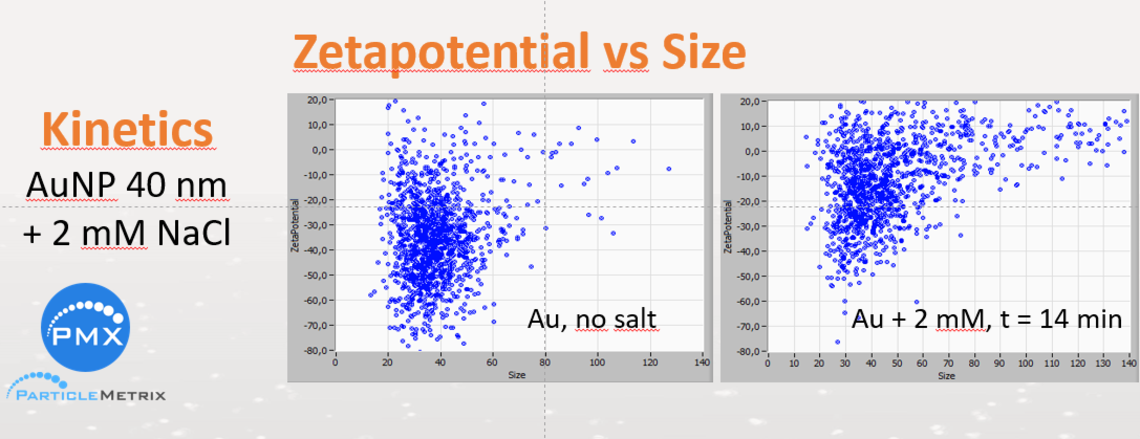
When evaluating colloidal stability, zeta potential serves as a quantitative indicator of the electrostatic repulsion governing particle interactions and the likelihood of aggregation. Interpretation requires thresholds: |ζ| >30 mV typically predicts stable dispersions, whereas low absolute values imply vulnerability to particle aggregation. Ionic strength modulates the electrical double layer; increased ionic strength compresses the layer, reduces measured ζ, and raises aggregation risk. Assessments should integrate pH, surface chemistry, and measurement conditions to distinguish true instability from transient screening effects. Decisions on formulation or processing follow from controlled manipulation of these parameters to achieve reproducible, targeted colloidal stability.

Applications in Drug Delivery, Vaccines, and Diagnostics

Control of zeta potential directly influences nanoparticle stability control, dictating aggregation kinetics and circulation lifetime in biological media. Precise surface charge optimization enables tuning of cellular uptake, protein corona formation, and immunogenic profiles critical for drug delivery and vaccine platforms. In diagnostics, engineered zeta potential enhances sensor sensitivity and specificity by modulating particle–analyte interactions and nonspecific adsorption.

Nanoparticle Stability Control

In the context of drug delivery, vaccines, and diagnostics, nanoparticle stability control determines circulation time, biodistribution, antigen presentation, and assay reproducibility. Control strategies focus on predictable aggregation resistance, opsonization minimization, and functional preservation. Ionic strength tuning and polymer grafting modulate interparticle forces and steric barriers to tailor performance under physiological conditions. Analytical metrics guide iterative optimization for intended applications.

  1. Define target environment and stability thresholds.
  2. Apply ionic strength tuning to adjust screening and aggregation kinetics.
  3. Use polymer grafting to confer steric stabilization and functional stealth.
  4. Validate stability under simulated physiological flow and storage conditions.

Colloid Metrix: How to measure the zeta potential of individual  Nanoparticles (NPs)?

Surface Charge Optimization

Optimize surface charge to tune nanoparticle interactions with biological systems, balancing colloidal stability, cellular uptake, and immune recognition. The discussion emphasizes surface modification strategies and charge tuning to achieve predictable pharmacokinetics and targeted delivery. Controlled zeta potential adjustments reduce aggregation, modulate protein corona formation, and influence endocytosis rates. In vaccine platforms, precise charge profiles enhance antigen presentation while limiting unintended inflammation. For diagnostics, optimized charge improves biodistribution and signal-to-noise. Implementation requires quantitative assays, reproducible chemistry, and iterative feedback between in vitro and in vivo studies. Decision-making prioritizes functional endpoints, manufacturability, and regulatory compatibility.

Best Practices for Reproducibility and Regulatory Compliance

When establishing protocols for zeta potential measurements, laboratories should prioritize standardized sample preparation, instrument calibration, and detailed reporting to guarantee reproducibility and meet regulatory expectations. The framework emphasizes quality assurance and regulatory harmonization through validated methods, traceable calibration, and controlled environmental parameters. Documentation must enable independent replication and audit readiness. Data integrity, uncertainty quantification, and versioned SOPs support consistent interpretation across studies and jurisdictions.

  1. Define validated sample handling and concentration limits.
  2. Implement scheduled instrument calibration and performance checks.
  3. Maintain complete metadata, raw data, and uncertainty estimates.
  4. Align procedures with regulatory guidance and interlaboratory comparison results.

Conclusion

Zeta potential measurement provides a quantitative, mechanistic indicator of nanoparticle surface charge and colloidal behavior, linking electrophoretic mobility to interparticle forces. Accurate instrumentation, meticulous sample preparation, and awareness of artifacts are essential for reliable data. Interpreting zeta values within formulation context informs stability, targeting, and safety decisions in drug delivery, vaccines, and diagnostics. Standardized protocols and documentation enhance reproducibility and regulatory acceptance, enabling zeta analysis to guide rational nanoparticle design and quality control.…

How Malaysian Cat Grooming Courses Teach Safe Nail Trimming Techniques

Discover how Malaysian cat grooming courses teach you safe nail trimming techniques.

Learn the importance of proper nail care, essential tools, and step-by-step methods to keep your feline friend comfortable and stress-free.

Master handling and restraint techniques for a positive grooming experience cat grooming course.

Unleash your potential to become a confident cat groomer with the skills to ensure your cat’s well-being.

Home

Importance of Nail Trimming for Cats

To keep your cat’s claws healthy and prevent potential issues, regular nail trimming is essential. Cats use their claws for various activities, such as stretching, climbing, and playing. By trimming your cat’s nails, you not only ensure their claws remain at a comfortable length but also reduce the risk of them getting snagged in carpets or furniture.

Additionally, regular nail trims can help prevent accidental scratches to you or other household members. It’s a simple yet effective way to maintain your cat’s well-being and promote a harmonious living environment. Remember to approach nail trimming with patience and care, using proper techniques to make the experience stress-free for both you and your feline companion.

Tools and Equipment for Nail Trimming

When trimming your cat’s nails, you’ll need a few essential tools and equipment. A pair of sharp, high-quality nail clippers specifically designed for cats is crucial. Avoid using dull clippers as they can cause splintering. Additionally, having styptic powder on hand can help stop any bleeding if you accidentally cut the quick.

A comfortable and secure cat nail trimmer will make the process easier for both you and your feline friend. If your cat is anxious during nail trims, consider using a cat nail trimmer with a quick sensor to prevent cutting too deep. Proper tools and equipment contribute to a safer and more effective nail trimming experience for you and your cat.

Step-by-Step Nail Trimming Techniques

For safe and effective nail trimming techniques, equip yourself with the proper tools and follow these step-by-step guidelines.

Begin by gently holding your cat’s paw and pressing on the pad to extend the nail. Using sharp, high-quality clippers, snip off just the tip of the nail at a 45-degree angle. Be cautious not to cut into the quick, the pink area inside the nail that contains blood vessels.

If you accidentally cut the quick and it bleeds, apply styptic powder to stop the bleeding. Repeat the process on each nail, focusing on one paw at a time.

Reward your cat with treats and praise to make the experience positive, ensuring they associate nail trimming with good things.

10 Best Cat & Dog Grooming Shops in KL & Selangor (Including Costs)

Handling and Restraint Methods

Using a gentle hold, grasp your cat’s paw to continue from the nail trimming techniques, now focusing on Handling and Restraint Methods for safe and effective grooming practices.

When handling your cat for grooming, it’s essential to respect their boundaries and provide a sense of security. Start by gently stroking and talking to your cat to help them relax before beginning any grooming procedures. Use a calm and reassuring tone to maintain a positive experience for your cat. Gradually introduce handling techniques such as gently restraining their movements when necessary.

Always prioritize your cat’s comfort and safety during grooming sessions. By establishing trust and using proper handling methods, you can ensure a stress-free grooming experience for both you and your feline companion.

Tips for Safe and Stress-Free Trimming

To ensure safe and stress-free trimming, gently hold your cat’s paw in a firm yet gentle grip while maintaining a calm demeanor. Approach the task confidently but with a soothing tone to help keep your cat relaxed.

Choose a quiet, well-lit area for the trimming session, and have treats ready to reward your furry friend for good behavior. Use sharp, high-quality clippers designed for cat nails and avoid cutting too close to the quick, which can cause pain and bleeding.

If your cat becomes anxious or agitated, take a break and try again later. Remember, patience and positive reinforcement go a long way in making nail trimming a pleasant experience for both you and your cat.

Conclusion

Overall, Malaysian cat grooming courses are essential for teaching safe nail trimming techniques to ensure the well-being of our feline friends.

By understanding the importance of nail trimming, using the right tools, following step-by-step techniques, practicing proper handling and restraint, and implementing stress-free trimming tips, cat owners can confidently maintain their cat’s nail health.

Trust in the expertise gained from these courses to keep your cat happy and healthy.…

Long-Term Pet Boarding: How to Ensure Your Pet Stays Happy

Pet owners seeking long-term boarding solutions can ensure their furry companions remain content and cared for with the right approach. By selecting a suitable facility, packing familiar items, giving detailed instructions, maintaining regular communication pet boarding, and planning for the post-boarding adjustment, pets can experience a stress-free stay.

This article provides valuable insights on how to guarantee the happiness of pets during extended boarding periods.

Pros and Cons of Long Term Dog Boarding | Jet Pet Resort

Choosing the Right Boarding Facility

When choosing a long-term pet boarding facility, pet owners should carefully assess the amenities and services provided to ensure their pet’s comfort and well-being pet universe starlux. It’s crucial to look for facilities that offer spacious living quarters, regular exercise routines, and personalized attention. Owners must inquire about the staff-to-pet ratio to guarantee that their furry friends receive adequate care and affection.

Additionally, selecting a facility that provides interactive playtime, grooming services, and access to outdoor areas can help maintain a sense of normalcy for the pet during their stay. Checking for certifications, reading reviews, and visiting the facility in person can give owners peace of mind and confidence in their choice.

Packing Familiar Comfort Items

One essential step in preparing for long-term pet boarding is to pack a few familiar comfort items that remind the pet of home. Items like their favorite blanket, toys, or even a piece of clothing with your scent can provide a sense of security and familiarity in a new environment.

These comfort items can help reduce your pet’s stress levels and make their stay more enjoyable. Remember to label all items clearly with your pet’s name to ensure they don’t get mixed up with belongings from other pets.

Providing Detailed Care Instructions

To ensure your pet’s well-being during long-term boarding, provide detailed care instructions that outline their specific needs and preferences. Include information on their feeding schedule, dietary restrictions, medication requirements, exercise routine, favorite toys, and any other relevant details.

Be clear about any behavioral quirks or anxieties your pet may have, along with strategies to help them feel more comfortable. Communicate any specific grooming needs, such as brushing frequency or preferred products. Additionally, share your veterinarian’s contact information and provide consent for medical treatment if needed.

Setting Up Regular Communication

Continuing the comprehensive care approach for long-term pet boarding, it’s essential to establish regular communication channels between pet owners and boarding facilities. By setting up clear lines of communication, pet owners can receive updates on their furry friends, ensuring peace of mind during their separation.

Boarding facilities can share important information about the pet’s well-being, behavior, and any special needs that arise. Regular communication also allows for quick adjustments to care instructions if needed, maintaining the pet’s comfort and happiness.

Whether through email, phone calls, or even video calls, staying connected with the boarding facility can help maintain a strong bond between pet and owner, making the experience of long-term boarding more manageable for all parties involved.

Lake Wylie Dog Boarding

Planning for Post-Boarding Adjustment

After a long-term pet boarding stay, owners should prepare for their pet’s adjustment period upon returning home. It’s essential to ease your furry friend back into their routine gradually.

Begin by giving them space to explore their familiar surroundings and re-establish their comfort. Engage in activities they enjoy to help them readjust and bond with them to rebuild your connection. Monitor their behavior for signs of stress or anxiety, offering reassurance and patience as needed.

Ensure their living environment is calm and peaceful to aid in their transition. By being attentive and understanding during this adjustment period, pet owners can help their companions settle back into their home life smoothly, promoting their overall well-being.

Conclusion

In conclusion, ensuring your pet stays happy during long-term boarding involves several key steps:

  1. Choosing the right facility
  2. Packing familiar items
  3. Providing detailed care instructions
  4. Setting up regular communication
  5. Planning for post-boarding adjustment

By taking these steps, you can help your pet feel comfortable, safe, and loved while you’re away. Remember to trust the professionals at the boarding facility and communicate openly with them to ensure the best care for your furry friend.…

Advanced Surgical Techniques Now Available in Pet Hospitals

Discover the latest advancements in pet healthcare with the introduction of advanced surgical techniques in veterinary hospitals. From minimally invasive procedures to cutting-edge technology pet hospital, pets can now benefit from enhanced recovery and healing processes.

This article delves into the benefits of these innovative approaches, ensuring that your beloved companions receive the best care possible. Stay informed on how these advancements are revolutionizing the field of veterinary surgery for the well-being of your furry friends.

Vet Surgery Procedures - Animal Care Center of Castle Pines – Learn About  Our Comprehensive Veterinary Surgery Services, Including Soft Tissue,  Orthopedic, and Emergency Procedures.

Benefits of Advanced Surgical Techniques

The article explores the benefits of advanced surgical techniques now offered in pet hospitals. These cutting-edge procedures provide pets with improved outcomes, reduced recovery times, and minimized risks vet hospital.

Advanced surgical techniques enable veterinarians to perform intricate procedures with greater precision, leading to enhanced success rates and overall patient well-being. By utilizing state-of-the-art equipment and innovative methods, pet hospitals can offer tailored treatment plans that address individual needs, ensuring optimal care for each animal.

Additionally, these advanced techniques often result in smaller incisions, less pain, and faster healing, allowing pets to return to their normal activities sooner. Embracing these advancements in veterinary surgery empowers pet owners with the confidence that their beloved companions are receiving the best possible care.

Minimally Invasive Procedures for Pets

Implementation of minimally invasive procedures revolutionizes veterinary surgery by enhancing precision and reducing recovery times for pets. These procedures involve tiny incisions, specialized cameras, and instruments that allow veterinarians to perform complex surgeries with minimal tissue damage.

Minimally invasive techniques offer numerous benefits, including reduced pain, faster healing, shorter hospital stays, and lower risk of complications. Pets undergoing these procedures often experience less postoperative discomfort and are back to their normal activities sooner than with traditional surgeries.

Additionally, the smaller incisions result in less scarring and a more aesthetically pleasing outcome. By embracing minimally invasive procedures, pet hospitals are providing pet owners with advanced surgical options that prioritize their furry companions’ well-being and swift return to freedom.

Cutting-Edge Technology in Pet Surgeries

Utilizing state-of-the-art equipment, pet hospitals are integrating cutting-edge technology into surgical procedures to further enhance precision and improve outcomes for furry patients. Robotic-assisted surgery is one such innovation that allows for more intricate operations with minimal invasiveness. This technology provides surgeons with enhanced dexterity and control, leading to smaller incisions, reduced pain, and quicker recovery times for pets.

Additionally, advanced imaging techniques like MRI and CT scans enable veterinarians to accurately visualize internal structures, aiding in pre-operative planning and ensuring precise surgical navigation. Laser technology is another advancement revolutionizing pet surgeries by minimizing bleeding, reducing swelling, and promoting faster tissue healing.

Vet Surgery Procedures - Tender Paws Animal Hospital – Learn About Our  Comprehensive Veterinary Surgery Services, Including Soft Tissue,  Orthopedic, and Emergency Procedures.

Enhanced Recovery and Healing Process

Advancing beyond the surgical procedures previously mentioned, pet hospitals are now focusing on optimizing the recovery and healing process post-operation. Enhanced recovery protocols tailored to individual pets are being implemented to ensure a smooth and swift healing journey.

These protocols encompass personalized pain management strategies, advanced wound care techniques, and tailored rehabilitation plans. By prioritizing the recovery phase, pet hospitals aim to minimize post-operative complications, reduce recovery time, and enhance overall patient well-being.

Utilizing a combination of medical expertise and compassionate care, veterinarians strive to promote a comfortable and effective healing process for each furry patient. Embracing these enhanced recovery methods signifies a commitment to providing pets with the best possible post-operative care, emphasizing their freedom to heal and thrive.

Ensuring the Best Care for Pets

To ensure the best care for pets undergoing advanced surgical techniques in pet hospitals, a comprehensive and individualized approach is essential. This involves thorough pre-operative assessments to tailor the surgical plan to the specific needs of each pet.

During the procedure, skilled veterinary surgeons should closely monitor vital signs and adjust anesthesia as needed. Post-operatively, a well-defined pain management protocol and attentive nursing care are crucial for a smooth recovery.

Clear communication between the veterinary team and pet owners is also vital to ensure proper post-operative care at home. By prioritizing personalized care, monitoring, and communication, pet hospitals can optimize outcomes and enhance the overall well-being of pets undergoing advanced surgical procedures.

Conclusion

In conclusion, the availability of advanced surgical techniques in pet hospitals offers numerous benefits. These include minimally invasive procedures, cutting-edge technology, enhanced recovery, and improved healing processes for pets. These advancements ensure that pets receive the best care possible during surgical procedures.

By incorporating these advanced techniques into veterinary practice, pet hospitals are able to provide a higher level of care and treatment for their patients.…

Pet Food Online

Discover the convenience and benefits of ordering pet food online. With a vast selection of quality products and delivery options tailored to suit your schedule, online pet food services offer a time-saving solution for busy pet owners.

From premium ingredients to a wide range of pet supplies pet universe nourish, explore the ease and efficiency of having your pet’s essentials delivered right to your doorstep.

Embrace the freedom to prioritize your pet’s well-being with the simplicity of online pet food ordering.

Homemade Dog Food Delivery: Better dog food starts in the kitchen | Kabo

Benefits of Pet Food Delivery

When considering the convenience and time-saving aspects of pet food delivery services, pet owners can streamline their shopping experience and ensure their beloved companions receive consistent nutrition. By opting for pet food delivery, individuals free themselves from the hassle of frequent trips to the store, allowing for more quality time to be spent with their furry friends https://nourish.petuniverse.com/. This service provides the freedom to schedule deliveries according to personal preferences, eliminating the need to rush to the store before closing time or worrying about running out of pet food.

Moreover, pet food delivery services offer a wide range of options, including specialized diets and premium brands that may not be readily available at local stores. This freedom of choice enables pet owners to cater to their pets’ specific dietary needs without compromising on quality. With the convenience of doorstep delivery, pet owners can rest assured that their pets will always have access to the nutrition they require for a healthy and happy life.

Wide Range of Pet Supplies

With the advent of online pet stores, pet owners now have access to a wide range of pet supplies conveniently delivered to their doorstep. This shift in the pet supply industry has revolutionized the way people care for their furry companions. Online platforms offer an extensive selection of products ranging from premium pet food and treats to grooming tools, toys, accessories, and healthcare items. Pet owners are no longer limited to what is available in local stores but can explore a vast array of options from various brands and manufacturers across the globe.

The convenience of online shopping allows pet owners the freedom to browse and compare products at their leisure, making informed decisions based on their pets’ specific needs and preferences. Additionally, online pet stores often provide detailed product descriptions, reviews, and recommendations to assist customers in selecting the most suitable supplies for their beloved animals.

In this digital age, the wide range of pet supplies available online empowers pet owners to provide the best care and enrichment for their furry friends, ensuring they lead healthy and happy lives.

Convenience of Online Ordering

The shift towards online pet stores has streamlined the process of acquiring pet supplies, allowing pet owners to conveniently order essential items with just a few clicks. This convenience factor is particularly appealing to busy individuals who value their time and seek efficient solutions. With online ordering, pet owners have the freedom to browse a wide selection of products at any time of the day, without being constrained by traditional store hours. The ability to compare prices, read reviews, and explore different brands from the comfort of one’s home adds to the overall convenience of online pet food shopping.

Moreover, online pet stores often offer subscription services, enabling pet owners to set up automatic deliveries of their pet’s favorite food and supplies. This feature not only saves time but also ensures that pet essentials are never forgotten or run out unexpectedly. Overall, the convenience of online ordering provides pet owners with the flexibility and freedom to meet their pets’ needs efficiently and effortlessly.

5 Signs It's Time To Switch Your Pet's Food – HEALTHY SPOT

Time-Saving Delivery Options

How can online pet stores provide time-saving delivery options to pet owners?

Online pet stores offer various time-saving delivery options to cater to the needs of pet owners who value convenience and efficiency. One way they achieve this is by providing scheduled delivery services, allowing customers to set up recurring orders based on their pets’ needs. This eliminates the hassle of having to remember to reorder pet food regularly.

Additionally, many online pet stores offer expedited shipping options for those who require their pet supplies urgently. Same-day or next-day delivery services ensure that pet owners can quickly receive essential items without having to wait for an extended period.

Furthermore, some online stores partner with local delivery services to offer faster shipping in specific regions, enhancing the overall delivery experience. By incorporating these time-saving delivery options, online pet stores aim to streamline the shopping process for pet owners, giving them the freedom to focus on enjoying quality time with their beloved pets.

Importance of Quality Ingredients

Emphasizing the significance of using quality ingredients is crucial in providing nutritious and wholesome pet food online. When browsing through the myriad of options available, it’s essential to prioritize products that boast high-quality components. Opting for pet food made with premium ingredients ensures that your furry companion receives the necessary nutrients for their well-being. Quality ingredients often translate to better digestibility and absorption, promoting optimal health and vitality in pets. Moreover, by choosing products crafted with care and attention to ingredient quality, pet owners can rest assured that they are providing their beloved animals with meals that meet stringent standards.

Investing in pet food online that prioritizes quality ingredients not only benefits the pet’s health but also reflects a commitment to ethical and responsible consumer choices. By supporting brands that uphold high ingredient standards, pet owners contribute to a market that values transparency and integrity. Ultimately, the importance of quality ingredients in pet food online cannot be overstated, as it directly impacts the health and happiness of cherished animal companions.

Conclusion

In conclusion, pet food online offers numerous benefits such as convenient ordering, a wide range of supplies, and time-saving delivery options.

It is important to prioritize quality ingredients in pet food to ensure the well-being of our furry companions.

With the ease and accessibility of online pet food delivery services, pet owners can provide their pets with nutritious and high-quality meals without any hassle.…

The Joy of Exploring a New World Through Chinese

Embark on a journey of cultural enlightenment and linguistic discovery as we delve into the intricate world of Chinese language and tradition.

In this article, we will explore the beauty of Chinese characters o level chinese tuition, the melodic tones that shape communication, and the challenges and joys of navigating a new linguistic landscape.

Join us as we celebrate the shared connections and rich tapestry of experiences that come with embracing the Chinese language.

Discover the countries that celebrate Lunar New Year | ManorFX

The Beauty of Chinese Characters

The intricacy and elegance of the Chinese characters captivate learners and enthusiasts alike. Each stroke tells a story, each component contributing to the character’s meaning and pronunciation.

The beauty of Chinese characters lies not only in their visual appeal but also in the depth of history and culture they embody https://www.yanzimandarin.com/. Exploring these characters offers a gateway to a world of tradition, philosophy, and art.

From basic radicals to complex characters, each element adds layers to the language, allowing for a nuanced understanding of the written word. Embracing the beauty of Chinese characters opens up avenues for creativity and expression, empowering individuals to communicate with a sense of freedom and artistry.

Discovering the Melodic Tones

Exploring the melodic tones in Chinese reveals a nuanced and rich linguistic landscape that adds depth to the language learning experience. The four tones in Mandarin Chinese – flat, rising, falling-rising, and falling – are fundamental to the language and play a vital role in conveying meaning.

Mastering these tones not only enhances pronunciation accuracy but also aids in comprehension and effective communication. Each tone carries its own distinct pitch contour, giving Chinese its characteristic musical quality. Understanding and distinguishing between these tones can be challenging yet immensely rewarding, as it unlocks a whole new dimension to the language.

The melodic aspect of Chinese not only enriches the learning process but also allows learners the freedom to express themselves with authenticity and fluency.

Maximising Chinese New Year in Hong Kong: from anticipation to celebration  and beyond | Hong Kong Tourism Board

Immersing in Cultural Traditions

Immerse yourself in Chinese cultural traditions to gain a deeper understanding of the language’s roots and societal values. By delving into practices like traditional tea ceremonies, calligraphy, or martial arts, you can connect with the essence of Chinese culture and history.

Explore festivals such as Lunar New Year or Mid-Autumn Festival to witness firsthand the customs and beliefs that have shaped Chinese society for centuries. Engaging in these traditions not only enriches your language learning experience but also provides insight into the values, etiquette, and worldview of the Chinese people.

Embracing cultural traditions allows you to appreciate the nuances of the language in a broader context, fostering a more profound connection to the Chinese language and its diverse heritage.

Navigating the language challenges inherent in Chinese cultural immersion requires a strategic approach to understanding linguistic nuances and overcoming communication barriers. Delving into a new language like Chinese demands patience and a willingness to embrace unfamiliar grammatical structures and tones. To tackle these obstacles effectively, one must immerse oneself in daily conversations, practice pronunciation diligently, and seek feedback from native speakers.

Additionally, utilizing language learning apps, attending language exchange events, and enrolling in language classes can provide valuable support. Embracing mistakes as part of the learning process and maintaining a positive attitude towards challenges are crucial for progress. By persistently honing language skills and staying open to new linguistic experiences, one can navigate the intricate terrain of Chinese with confidence.

Connecting Through Shared Language

Establishing meaningful connections through the shared language of Chinese enhances cultural immersion experiences and fosters cross-cultural communication. Language serves as a bridge, allowing individuals to delve deeper into a culture and forge authentic relationships.

By communicating in Chinese, one gains insights into the nuances of expressions, humor, and traditions unique to the Chinese-speaking world. This shared language opens doors to new perspectives, enabling a deeper understanding of cultural values and societal norms.

Moreover, the act of learning and conversing in Chinese demonstrates a genuine interest in connecting with others, breaking down barriers and fostering a sense of unity. Through this linguistic bond, individuals can share experiences, stories, and emotions, creating lasting connections that transcend linguistic differences and enrich cultural explorations.

Conclusion

In conclusion, exploring a new world through Chinese offers a unique experience filled with beauty, melodic tones, cultural traditions, and language challenges.

The intricate characters of the Chinese language reveal a rich history and depth of meaning. By immersing in these elements, one can navigate through the complexities of communication and forge connections with others.

Embracing the shared language of Chinese opens up a world of possibilities and enriches one’s understanding of different cultures.…

Erp for E-Invoicing

In the realm of modern business operations, the integration of Enterprise Resource Planning (ERP) systems for E-Invoicing has emerged as a pivotal strategy for organizations aiming to streamline their financial processes. With a focus on enhancing accuracy, reducing manual errors invoice software malaysia, and improving overall efficiency, ERP solutions offer a comprehensive approach to managing invoicing tasks. The automation capabilities of ERP systems not only expedite invoice generation and processing but also pave the way for real-time insights into financial data. However, the true potential of ERP for E-Invoicing lies in its ability to revolutionize how businesses handle their financial transactions and interactions with stakeholders.

Benefits of ERP for E-Invoicing

Utilizing Enterprise Resource Planning (ERP) systems for e-invoicing presents a myriad of advantages that streamline financial processes, enhance accuracy, and improve overall operational efficiency. By integrating e-invoicing capabilities within an ERP system, businesses can automate the generation, distribution, and processing of invoices. This automation reduces manual errors https://aspert.com.my/e-invoice/, speeds up invoice cycles, and provides real-time visibility into financial data.

Furthermore, ERP systems offer centralized data storage, ensuring that all invoicing information is easily accessible and securely stored. This centralized approach simplifies auditing processes and improves compliance with regulatory requirements. Additionally, ERP systems can facilitate seamless communication between departments, enabling better coordination between finance, sales, and procurement teams.

Moreover, the analytical capabilities of ERP systems allow businesses to gain valuable insights into invoicing trends, payment cycles, and cash flow management. By leveraging these insights, organizations can optimize their invoicing processes, identify areas for cost savings, and enhance overall financial performance.

Integration With Existing Systems

Incorporating ERP systems for e-invoicing requires a seamless integration with existing IT infrastructure to ensure smooth functionality and data flow. When integrating ERP for e-invoicing, businesses must carefully assess their current systems to identify potential points of connection and areas for synchronization. This process involves mapping out data flows, configuring APIs, and establishing communication protocols between the ERP system and other existing software applications.

One critical aspect of integration is ensuring that the ERP system can effectively communicate with accounting software, procurement platforms, and other relevant systems to exchange invoice data accurately and efficiently. Additionally, compatibility with existing databases and data formats is essential to prevent data discrepancies and ensure consistency across systems.

Moreover, integration with existing systems often involves custom development work to bridge any gaps between the ERP solution and legacy software. This customization may include developing middleware or connectors to facilitate seamless data exchange and automate processes where needed. Overall, a well-planned integration strategy is key to harnessing the full benefits of ERP for e-invoicing while maintaining operational continuity.

Automation of Invoicing Processes

Efficiency in invoicing processes can be significantly enhanced through the strategic implementation of automation solutions within ERP systems. By automating invoicing processes, organizations can streamline the generation, distribution, and management of invoices. Automation can facilitate the automatic population of invoice templates with relevant data, reducing the risk of manual errors and accelerating the invoicing cycle.

Additionally, automated workflows can be established to route invoices for approval, track payment statuses, and send reminders for overdue payments.

Automation of invoicing processes within ERP systems also enables seamless integration with electronic payment gateways, allowing for faster and more secure transactions. Furthermore, automation can enhance the visibility of invoicing data, providing real-time insights into cash flow, outstanding payments, and revenue projections.

Enhanced Accuracy and Compliance

Enhanced accuracy and compliance play critical roles in the adoption of ERP systems for e-invoicing. Error reduction benefits ensure that financial data is entered correctly, leading to improved decision-making processes.

Simultaneously, regulatory compliance advantages help organizations adhere to legal requirements, avoiding penalties and maintaining a trustworthy financial reputation.

Error Reduction Benefits

Implementing an ERP system for e-invoicing can significantly reduce errors, leading to enhanced accuracy and improved compliance within financial processes. By automating invoicing processes, the likelihood of human errors such as duplicate invoices, incorrect data entry, or miscalculations is greatly minimized. This enhanced accuracy not only improves the overall efficiency of the invoicing process but also ensures that financial records are error-free and compliant with regulations.

Inaccurate invoices can lead to delayed payments, disputes with vendors, and potential regulatory fines. With an ERP system in place, organizations can streamline their invoicing procedures, maintain precise financial records, and adhere to compliance standards, ultimately enhancing their overall financial operations.

Regulatory Compliance Advantages

With the implementation of an ERP system for e-invoicing, organizations can significantly bolster their regulatory compliance by ensuring enhanced accuracy and adherence to financial regulations. By automating the invoicing process through ERP, businesses can reduce the risk of errors and ensure that invoices meet all legal requirements, including tax regulations and data security standards.

This heightened accuracy not only minimizes the likelihood of compliance issues but also enhances the overall efficiency of the invoicing process. Furthermore, ERP systems provide a centralized platform for managing invoices, enabling organizations to track and audit financial transactions more effectively.

Improved Efficiency and Time Savings

How does the integration of ERP systems for e-invoicing result in significant improvements in efficiency and time savings for businesses?

Implementing ERP systems for e-invoicing streamlines the entire invoicing process, from creation to payment, by automating repetitive tasks and eliminating manual data entry errors. By integrating e-invoicing with ERP systems, businesses can benefit from features such as automated invoice generation, instant delivery to customers, and seamless integration with accounting systems.

This automation reduces the time spent on processing invoices, allowing employees to focus on more value-added tasks. Additionally, the digital nature of e-invoicing eliminates the need for physical paperwork, saving time on printing, mailing, and filing documents.

Improved efficiency is also achieved through faster invoice approvals and quicker payment processing, leading to enhanced cash flow management. Overall, the integration of ERP systems for e-invoicing results in significant time savings and increased operational efficiency for businesses of all sizes.

Real-time Tracking and Monitoring

Real-time tracking and monitoring in ERP systems offer businesses the crucial advantage of data accuracy assurance. This ensures that information is up-to-date and reliable for decision-making processes. Compliance status alerts further strengthen this capability, notifying stakeholders of any deviations from regulatory requirements in a timely manner.

Data Accuracy Assurance

Ensuring the accuracy of data in e-invoicing systems requires meticulous tracking and monitoring mechanisms in place. Real-time tracking and monitoring play a crucial role in maintaining data accuracy by providing visibility into each transaction throughout the invoicing process.

By implementing robust tracking tools, businesses can identify discrepancies promptly and take corrective actions to prevent errors from propagating further. These mechanisms allow for immediate intervention when anomalies are detected, ensuring that data integrity is upheld.

Through continuous monitoring, organizations can proactively address inaccuracies, enhancing the overall reliability of the e-invoicing system. By prioritizing data accuracy assurance through real-time tracking and monitoring, businesses can streamline their invoicing processes and improve operational efficiency.

Compliance Status Alerts

To enhance data accuracy in e-invoicing systems, implementing real-time compliance status alerts is crucial for proactive monitoring and tracking of regulatory adherence. By setting up these alerts, businesses can receive immediate notifications about any deviations from compliance requirements, enabling prompt corrective actions.

Real-time tracking ensures that any issues or discrepancies are promptly addressed, minimizing the risk of non-compliance penalties. These alerts provide a systematic way to stay updated on the status of invoices, ensuring that all regulatory obligations are met in a timely manner.

With real-time monitoring, organizations can maintain a high level of compliance and avoid potential disruptions in their invoicing processes, ultimately contributing to a more efficient and secure e-invoicing system.

Process Efficiency Optimization

Implementing efficient process optimization strategies through continuous tracking and monitoring plays a pivotal role in enhancing operational performance within e-invoicing systems. Real-time tracking and monitoring enable organizations to oversee the entire invoicing process, identifying bottlenecks, delays, or errors promptly.

By having a real-time view of the invoicing workflow, businesses can streamline operations, improve accuracy, and reduce processing times. Monitoring key performance indicators (KPIs) in real-time allows for proactive decision-making and swift resolution of issues that may arise.

Additionally, real-time tracking provides valuable insights into process efficiency, enabling organizations to make data-driven adjustments that drive productivity and enhance overall performance. Ultimately, incorporating real-time tracking and monitoring into e-invoicing systems is essential for optimizing process efficiency and achieving operational excellence.

Cost Savings and Reduced Overhead

A comprehensive ERP system tailored for e-invoicing can significantly contribute to cost savings and reduced overhead for businesses of all sizes. By automating invoicing processes, businesses can minimize the need for manual data entry, which reduces the likelihood of errors and the associated costs of rectifying mistakes. Additionally, streamlined workflows enabled by ERP systems can lead to faster invoice processing times, resulting in improved cash flow and reduced late payment penalties.

Moreover, centralized data storage and real-time access to financial information provided by ERP systems can enhance decision-making processes, enabling businesses to identify cost-saving opportunities and optimize resource allocation. The ability to generate reports and analyze financial data efficiently can help organizations pinpoint areas where overhead costs can be trimmed, leading to overall cost savings.

Furthermore, ERP systems can facilitate better vendor management, negotiation of favorable payment terms, and early payment discounts, all of which contribute to reducing expenses and improving the bottom line. In essence, the implementation of an ERP system for e-invoicing can yield substantial cost savings and operational efficiencies for businesses.

Scalability and Customization Options

The scalability and customization options inherent in an ERP system designed for e-invoicing play a pivotal role in aligning the platform with evolving business needs and operational dynamics. Scalability allows the system to grow seamlessly alongside the business, accommodating increases in invoicing volume or expanding into new markets without compromising performance.

Customization options enable businesses to tailor the ERP system to their specific requirements, ensuring that it aligns perfectly with existing processes and workflows. This flexibility empowers organizations to adapt the e-invoicing platform to meet unique business demands, such as incorporating industry-specific invoicing formats or integrating with other essential software systems.

Moreover, customization options facilitate the automation of complex invoicing tasks, streamlining operations and enhancing efficiency. By providing scalable and customizable features, an ERP system for e-invoicing offers businesses the freedom to optimize their invoicing processes according to their evolving needs, ultimately driving growth and success.

Seamless Vendor and Client Communication

Facilitating seamless communication between vendors and clients is a fundamental aspect of optimizing the efficiency and effectiveness of an ERP system for e-invoicing. In the realm of e-invoicing, clear and efficient communication channels between vendors and clients are crucial for maintaining smooth operations and fostering strong business relationships. A robust ERP system should offer features that enable real-time updates on invoice statuses, instant messaging capabilities for quick queries, and centralized platforms for document sharing. By streamlining communication processes, businesses can reduce delays, minimize errors, and enhance overall productivity.

Moreover, seamless vendor and client communication within an ERP system can lead to improved transparency and trust. Vendors can promptly address any invoicing issues, while clients can easily track payments and resolve discrepancies. This level of transparency not only strengthens the business partnership but also contributes to better financial management. Ultimately, investing in effective communication tools within an ERP system can significantly impact the efficiency and success of e-invoicing processes.

Conclusion

In conclusion, the implementation of ERP systems for E-Invoicing offers numerous benefits such as:

  • Enhanced accuracy
  • Improved efficiency
  • Real-time tracking
  • Cost savings
  • Seamless communication

The integration with existing systems, automation of invoicing processes, and scalability options contribute to optimizing financial workflows.

Overall, ERP for E-Invoicing plays a crucial role in streamlining operations, ensuring compliance, and fostering better vendor-client relationships.…

Regional Variations in Construction Materials


The selection of construction materials varies significantly across regions due to a complex interplay of geological, cultural, and economic factors. Understanding why certain materials are prevalent in specific areas provides valuable insights into the history, traditions universal testing machine, and resource availability that shape local building practices. Exploring how these diverse influences converge to influence architectural choices can offer a fascinating glimpse into the intricate tapestry of construction methods worldwide.

Beyond Covid: the Future of the Construction Industry -

Geological Influences on Material Selection

When considering geological influences on material selection for regional construction projects, it is imperative to analyze the specific characteristics of the site’s geological composition to determine the most suitable construction materials. The geological composition of an area plays a significant role in dictating the availability and suitability of construction materials.

For instance, regions with abundant granite deposits may find it more cost-effective to utilize granite as a primary building material due to its durability and availability dynamic universal testing machine. Conversely, areas with high clay content in the soil may opt for materials such as adobe or rammed earth construction techniques.

Moreover, geological factors also impact the structural integrity of buildings. For example, regions prone to seismic activity may require materials with high tensile strength and flexibility to withstand potential earthquakes. Understanding the geological influences on material selection is crucial for ensuring the longevity and safety of construction projects in different regions.

Cultural Factors and Building Materials

The influence of cultural factors on the selection of building materials in regional construction projects is a critical consideration that can significantly impact the design, aesthetics, and functionality of structures. Cultural preferences, traditions, and beliefs play a vital role in determining the materials used in construction. For example, in regions where wood holds symbolic significance, such as Japan with its traditional wooden temples, there is a strong cultural inclination to utilize timber in construction.

Similarly, the adobe buildings in parts of the southwestern United States reflect a cultural heritage that values sustainability and connection to the earth. Moreover, cultural factors can also influence color choices, ornamentation styles, and architectural details incorporated into buildings. Understanding these cultural nuances is essential for architects and builders to create structures that resonate with the local community and uphold cultural identity.

Therefore, cultural factors must be carefully considered alongside geological and economic factors in the selection of construction materials to ensure that buildings harmonize with their surroundings and serve the needs of the people inhabiting them.

Economic Considerations in Construction

Considering the economic feasibility of construction projects is imperative for ensuring cost-effectiveness and financial sustainability throughout the building process. Economic considerations in construction encompass various aspects that directly impact the overall expenses and profitability of a project. Factors such as material costs, labor expenses, equipment prices, and market fluctuations play a crucial role in determining the financial viability of a construction endeavor.

The selection of construction materials significantly influences the project’s budget. Opting for cost-effective yet durable materials can lead to substantial savings without compromising the structural integrity of the building. Additionally, labor costs, including wages, benefits, and productivity, must be carefully evaluated to prevent budget overruns.

Moreover, economic considerations extend beyond the initial construction phase and encompass long-term maintenance and operational expenses. Choosing materials that require minimal upkeep and have a longer lifespan can result in reduced maintenance costs over time. Conducting thorough cost-benefit analyses and staying informed about market trends are essential practices for ensuring the economic success of construction projects.

Stone as a Traditional Building Material

Stone, a fundamental component of historical and contemporary architecture, has long served as a quintessential traditional building material due to its durability and aesthetic appeal. Stone’s robust nature makes it an ideal choice for structural elements, facades, and ornamentation in buildings.

The use of stone in construction dates back centuries, with examples of stone structures standing the test of time, showcasing its longevity and resilience. Various types of stone, such as granite, limestone, marble, and sandstone, offer architects a wide range of colors, textures, and finishes to choose from, allowing for diverse design possibilities.

In addition to its visual appeal, stone provides excellent thermal mass, helping to regulate indoor temperatures and reduce energy consumption. Its natural abundance in many regions also makes it a cost-effective option for construction projects.

Despite advancements in modern construction materials, the timeless beauty and strength of stone continue to make it a preferred choice for architects and builders worldwide.

Timber and Wood in Architectural Design

Stone’s enduring legacy in architectural design is mirrored by the timeless appeal and structural versatility of timber and wood, which play integral roles in contemporary constructions. Timber and wood have been fundamental building materials for centuries, offering a unique combination of strength, flexibility, and aesthetic beauty. In architectural design, timber is used for structural elements such as beams, columns, and trusses, providing stability and support to buildings of various sizes. Wood, on the other hand, is commonly utilized for cladding, flooring, and interior finishes, adding warmth and texture to spaces.

One of the key advantages of timber and wood in architectural design is their sustainability. When sourced from responsibly managed forests, these materials are renewable and have a lower carbon footprint compared to many other building materials. Additionally, timber and wood can be easily recycled or repurposed, contributing to the circular economy and reducing waste. As architects and designers continue to prioritize sustainability in their projects, timber and wood are likely to remain prominent choices in architectural design for years to come.

6 vital things you must know about the Construction Contracts Act…

Clay and Adobe Construction Techniques

Clay and adobe construction techniques have long been revered for their durability and thermal properties in architectural practices around the world. Clay, being a natural material abundant in many regions, has been utilized for centuries due to its sustainable and eco-friendly characteristics.

When mixed with water and other organic materials such as straw, clay forms a versatile building material suitable for various construction applications. Adobe, a mixture of clay, sand, water, and organic materials, offers excellent thermal insulation properties, keeping interiors cool in hot climates and warm in colder regions.

The process of constructing with clay and adobe involves shaping the mixture into bricks or blocks, which are then sun-dried or kiln-fired to enhance strength and durability. These traditional construction techniques not only provide sustainable building solutions but also contribute to the preservation of cultural heritage and architectural diversity worldwide.

Modern Innovations in Sustainable Materials

Within the realm of contemporary construction practices, a myriad of innovative sustainable materials have emerged to address environmental concerns and enhance building efficiency. One such material is cross-laminated timber (CLT), a renewable resource that offers high strength and durability, making it an attractive alternative to traditional concrete and steel.

Another notable innovation is the development of recycled plastic composites, which repurpose plastic waste into durable building materials, reducing the reliance on virgin materials. Additionally, advancements in aerogel technology have led to the creation of highly insulating and lightweight materials that improve energy efficiency in buildings.

Bio-based insulation materials, like hempcrete and straw bales, provide sustainable alternatives to conventional insulation, offering excellent thermal performance while reducing carbon emissions. These modern sustainable materials not only contribute to eco-friendly construction practices but also promote a shift towards more energy-efficient and environmentally conscious building designs.

Challenges of Coastal Building Materials

The unique environmental conditions present in coastal regions pose distinct challenges for the selection and utilization of appropriate building materials. Coastal areas are subjected to high levels of salt, moisture, and wind, which can accelerate corrosion and deterioration of traditional construction materials.

Concrete, for example, is vulnerable to saltwater exposure, leading to degradation and reduced structural integrity over time. Wooden structures are also at risk due to increased moisture levels, promoting rot and decay.

To combat these challenges, builders in coastal regions often resort to specialized materials such as stainless steel, fiber-reinforced composites, and treated lumber that offer enhanced durability and resistance to the harsh coastal environment. Stainless steel is known for its corrosion resistance, making it ideal for structures exposed to saltwater spray. Fiber-reinforced composites provide strength and resilience against moisture, while treated lumber is designed to withstand rot and decay.

In the realm of construction materials, ongoing advancements and innovations are shaping the future landscape of global building practices. One significant trend is the increasing focus on sustainable and environmentally friendly materials. This shift is driven by the need to reduce the carbon footprint of construction activities and mitigate the industry’s impact on the planet. Materials such as recycled steel, bamboo, engineered wood products, and green concrete are gaining popularity due to their lower environmental impact compared to traditional alternatives.

Moreover, the integration of advanced technologies like 3D printing and prefabrication is revolutionizing the way buildings are constructed. These technologies offer increased efficiency, cost-effectiveness, and design flexibility, allowing for the rapid construction of complex structures with minimal waste. Additionally, the development of smart materials embedded with sensors and actuators is enabling buildings to adapt to environmental conditions, optimize energy usage, and enhance overall occupant comfort.

Conclusion

In conclusion, regional variations in construction materials are influenced by geological, cultural, and economic factors, leading to diverse construction practices worldwide.

The selection of materials such as stone, timber, clay, and modern sustainable options reflects the unique characteristics and traditions of each region.

Understanding these influences is crucial for architects, engineers, and builders to create structures that are not only functional and cost-effective but also culturally and environmentally appropriate.…