
Advanced Surgical Techniques Now Available in Pet Hospitals
Discover the latest advancements in pet healthcare with the introduction of advanced surgical techniques in veterinary hospitals. From minimally invasive procedures to cutting-edge technology pet hospital, pets can now benefit from enhanced recovery and healing processes.
This article delves into the benefits of these innovative approaches, ensuring that your beloved companions receive the best care possible. Stay informed on how these advancements are revolutionizing the field of veterinary surgery for the well-being of your furry friends.
Benefits of Advanced Surgical Techniques
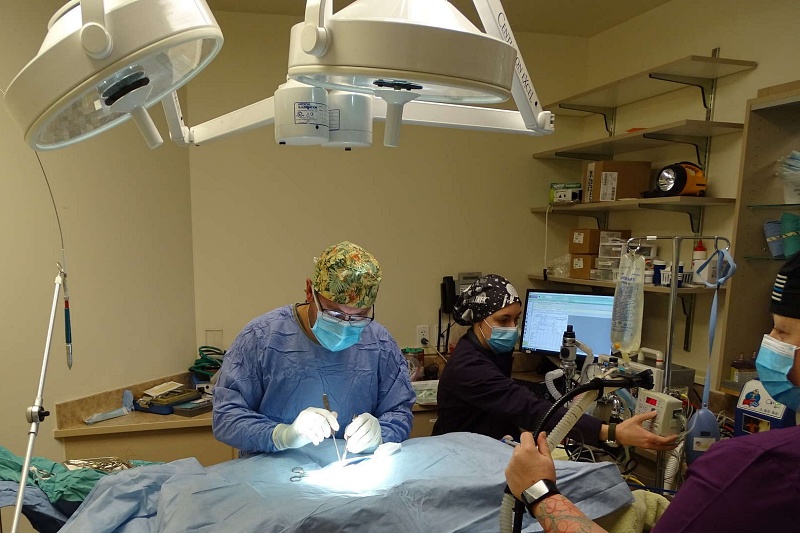
The article explores the benefits of advanced surgical techniques now offered in pet hospitals. These cutting-edge procedures provide pets with improved outcomes, reduced recovery times, and minimized risks vet hospital.
Advanced surgical techniques enable veterinarians to perform intricate procedures with greater precision, leading to enhanced success rates and overall patient well-being. By utilizing state-of-the-art equipment and innovative methods, pet hospitals can offer tailored treatment plans that address individual needs, ensuring optimal care for each animal.
Additionally, these advanced techniques often result in smaller incisions, less pain, and faster healing, allowing pets to return to their normal activities sooner. Embracing these advancements in veterinary surgery empowers pet owners with the confidence that their beloved companions are receiving the best possible care.
Minimally Invasive Procedures for Pets
Implementation of minimally invasive procedures revolutionizes veterinary surgery by enhancing precision and reducing recovery times for pets. These procedures involve tiny incisions, specialized cameras, and instruments that allow veterinarians to perform complex surgeries with minimal tissue damage.
Minimally invasive techniques offer numerous benefits, including reduced pain, faster healing, shorter hospital stays, and lower risk of complications. Pets undergoing these procedures often experience less postoperative discomfort and are back to their normal activities sooner than with traditional surgeries.
Additionally, the smaller incisions result in less scarring and a more aesthetically pleasing outcome. By embracing minimally invasive procedures, pet hospitals are providing pet owners with advanced surgical options that prioritize their furry companions’ well-being and swift return to freedom.
Cutting-Edge Technology in Pet Surgeries
Utilizing state-of-the-art equipment, pet hospitals are integrating cutting-edge technology into surgical procedures to further enhance precision and improve outcomes for furry patients. Robotic-assisted surgery is one such innovation that allows for more intricate operations with minimal invasiveness. This technology provides surgeons with enhanced dexterity and control, leading to smaller incisions, reduced pain, and quicker recovery times for pets.
Additionally, advanced imaging techniques like MRI and CT scans enable veterinarians to accurately visualize internal structures, aiding in pre-operative planning and ensuring precise surgical navigation. Laser technology is another advancement revolutionizing pet surgeries by minimizing bleeding, reducing swelling, and promoting faster tissue healing.
Enhanced Recovery and Healing Process
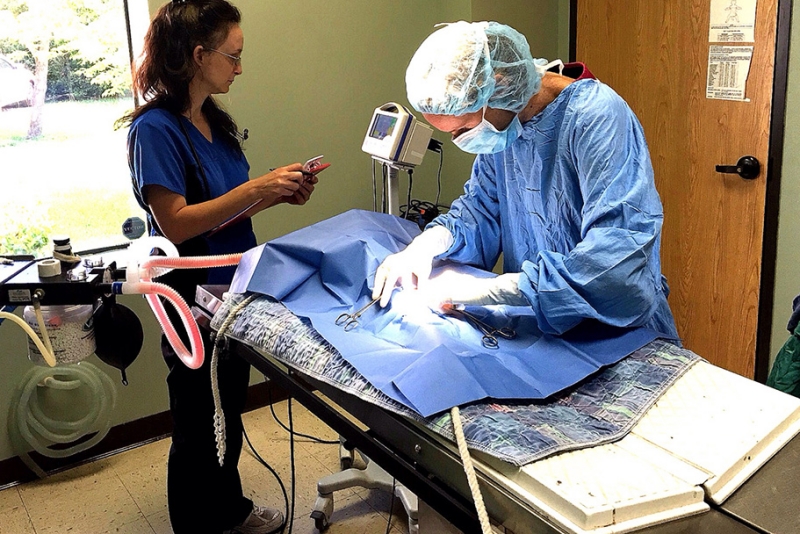
Advancing beyond the surgical procedures previously mentioned, pet hospitals are now focusing on optimizing the recovery and healing process post-operation. Enhanced recovery protocols tailored to individual pets are being implemented to ensure a smooth and swift healing journey.
These protocols encompass personalized pain management strategies, advanced wound care techniques, and tailored rehabilitation plans. By prioritizing the recovery phase, pet hospitals aim to minimize post-operative complications, reduce recovery time, and enhance overall patient well-being.
Utilizing a combination of medical expertise and compassionate care, veterinarians strive to promote a comfortable and effective healing process for each furry patient. Embracing these enhanced recovery methods signifies a commitment to providing pets with the best possible post-operative care, emphasizing their freedom to heal and thrive.
Ensuring the Best Care for Pets
To ensure the best care for pets undergoing advanced surgical techniques in pet hospitals, a comprehensive and individualized approach is essential. This involves thorough pre-operative assessments to tailor the surgical plan to the specific needs of each pet.
During the procedure, skilled veterinary surgeons should closely monitor vital signs and adjust anesthesia as needed. Post-operatively, a well-defined pain management protocol and attentive nursing care are crucial for a smooth recovery.
Clear communication between the veterinary team and pet owners is also vital to ensure proper post-operative care at home. By prioritizing personalized care, monitoring, and communication, pet hospitals can optimize outcomes and enhance the overall well-being of pets undergoing advanced surgical procedures.
Conclusion
In conclusion, the availability of advanced surgical techniques in pet hospitals offers numerous benefits. These include minimally invasive procedures, cutting-edge technology, enhanced recovery, and improved healing processes for pets. These advancements ensure that pets receive the best care possible during surgical procedures.
By incorporating these advanced techniques into veterinary practice, pet hospitals are able to provide a higher level of care and treatment for their patients.
