
Erp for E-Invoicing
In the realm of modern business operations, the integration of Enterprise Resource Planning (ERP) systems for E-Invoicing has emerged as a pivotal strategy for organizations aiming to streamline their financial processes. With a focus on enhancing accuracy, reducing manual errors invoice software malaysia, and improving overall efficiency, ERP solutions offer a comprehensive approach to managing invoicing tasks. The automation capabilities of ERP systems not only expedite invoice generation and processing but also pave the way for real-time insights into financial data. However, the true potential of ERP for E-Invoicing lies in its ability to revolutionize how businesses handle their financial transactions and interactions with stakeholders.
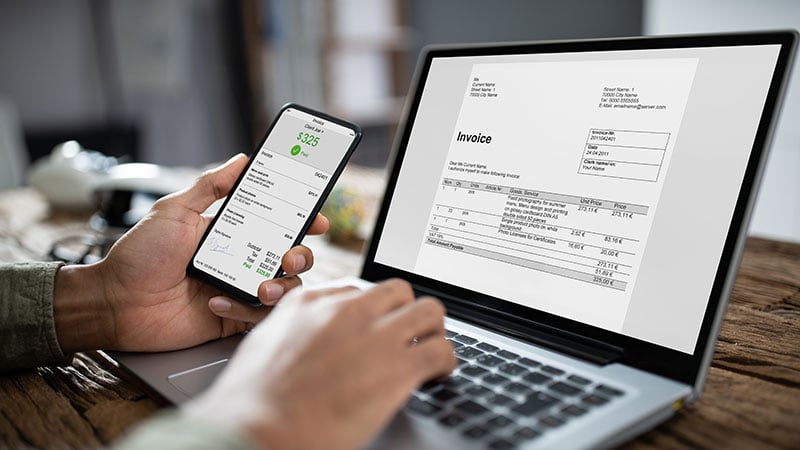
Benefits of ERP for E-Invoicing
Utilizing Enterprise Resource Planning (ERP) systems for e-invoicing presents a myriad of advantages that streamline financial processes, enhance accuracy, and improve overall operational efficiency. By integrating e-invoicing capabilities within an ERP system, businesses can automate the generation, distribution, and processing of invoices. This automation reduces manual errors https://aspert.com.my/e-invoice/, speeds up invoice cycles, and provides real-time visibility into financial data.
Furthermore, ERP systems offer centralized data storage, ensuring that all invoicing information is easily accessible and securely stored. This centralized approach simplifies auditing processes and improves compliance with regulatory requirements. Additionally, ERP systems can facilitate seamless communication between departments, enabling better coordination between finance, sales, and procurement teams.
Moreover, the analytical capabilities of ERP systems allow businesses to gain valuable insights into invoicing trends, payment cycles, and cash flow management. By leveraging these insights, organizations can optimize their invoicing processes, identify areas for cost savings, and enhance overall financial performance.
Integration With Existing Systems
Incorporating ERP systems for e-invoicing requires a seamless integration with existing IT infrastructure to ensure smooth functionality and data flow. When integrating ERP for e-invoicing, businesses must carefully assess their current systems to identify potential points of connection and areas for synchronization. This process involves mapping out data flows, configuring APIs, and establishing communication protocols between the ERP system and other existing software applications.
One critical aspect of integration is ensuring that the ERP system can effectively communicate with accounting software, procurement platforms, and other relevant systems to exchange invoice data accurately and efficiently. Additionally, compatibility with existing databases and data formats is essential to prevent data discrepancies and ensure consistency across systems.
Moreover, integration with existing systems often involves custom development work to bridge any gaps between the ERP solution and legacy software. This customization may include developing middleware or connectors to facilitate seamless data exchange and automate processes where needed. Overall, a well-planned integration strategy is key to harnessing the full benefits of ERP for e-invoicing while maintaining operational continuity.
Automation of Invoicing Processes
Efficiency in invoicing processes can be significantly enhanced through the strategic implementation of automation solutions within ERP systems. By automating invoicing processes, organizations can streamline the generation, distribution, and management of invoices. Automation can facilitate the automatic population of invoice templates with relevant data, reducing the risk of manual errors and accelerating the invoicing cycle.
Additionally, automated workflows can be established to route invoices for approval, track payment statuses, and send reminders for overdue payments.
Automation of invoicing processes within ERP systems also enables seamless integration with electronic payment gateways, allowing for faster and more secure transactions. Furthermore, automation can enhance the visibility of invoicing data, providing real-time insights into cash flow, outstanding payments, and revenue projections.
Enhanced Accuracy and Compliance
Enhanced accuracy and compliance play critical roles in the adoption of ERP systems for e-invoicing. Error reduction benefits ensure that financial data is entered correctly, leading to improved decision-making processes.
Simultaneously, regulatory compliance advantages help organizations adhere to legal requirements, avoiding penalties and maintaining a trustworthy financial reputation.
Error Reduction Benefits
Implementing an ERP system for e-invoicing can significantly reduce errors, leading to enhanced accuracy and improved compliance within financial processes. By automating invoicing processes, the likelihood of human errors such as duplicate invoices, incorrect data entry, or miscalculations is greatly minimized. This enhanced accuracy not only improves the overall efficiency of the invoicing process but also ensures that financial records are error-free and compliant with regulations.
Inaccurate invoices can lead to delayed payments, disputes with vendors, and potential regulatory fines. With an ERP system in place, organizations can streamline their invoicing procedures, maintain precise financial records, and adhere to compliance standards, ultimately enhancing their overall financial operations.

Regulatory Compliance Advantages
With the implementation of an ERP system for e-invoicing, organizations can significantly bolster their regulatory compliance by ensuring enhanced accuracy and adherence to financial regulations. By automating the invoicing process through ERP, businesses can reduce the risk of errors and ensure that invoices meet all legal requirements, including tax regulations and data security standards.
This heightened accuracy not only minimizes the likelihood of compliance issues but also enhances the overall efficiency of the invoicing process. Furthermore, ERP systems provide a centralized platform for managing invoices, enabling organizations to track and audit financial transactions more effectively.
Improved Efficiency and Time Savings
How does the integration of ERP systems for e-invoicing result in significant improvements in efficiency and time savings for businesses?
Implementing ERP systems for e-invoicing streamlines the entire invoicing process, from creation to payment, by automating repetitive tasks and eliminating manual data entry errors. By integrating e-invoicing with ERP systems, businesses can benefit from features such as automated invoice generation, instant delivery to customers, and seamless integration with accounting systems.
This automation reduces the time spent on processing invoices, allowing employees to focus on more value-added tasks. Additionally, the digital nature of e-invoicing eliminates the need for physical paperwork, saving time on printing, mailing, and filing documents.
Improved efficiency is also achieved through faster invoice approvals and quicker payment processing, leading to enhanced cash flow management. Overall, the integration of ERP systems for e-invoicing results in significant time savings and increased operational efficiency for businesses of all sizes.
Real-time Tracking and Monitoring
Real-time tracking and monitoring in ERP systems offer businesses the crucial advantage of data accuracy assurance. This ensures that information is up-to-date and reliable for decision-making processes. Compliance status alerts further strengthen this capability, notifying stakeholders of any deviations from regulatory requirements in a timely manner.
Data Accuracy Assurance
Ensuring the accuracy of data in e-invoicing systems requires meticulous tracking and monitoring mechanisms in place. Real-time tracking and monitoring play a crucial role in maintaining data accuracy by providing visibility into each transaction throughout the invoicing process.
By implementing robust tracking tools, businesses can identify discrepancies promptly and take corrective actions to prevent errors from propagating further. These mechanisms allow for immediate intervention when anomalies are detected, ensuring that data integrity is upheld.
Through continuous monitoring, organizations can proactively address inaccuracies, enhancing the overall reliability of the e-invoicing system. By prioritizing data accuracy assurance through real-time tracking and monitoring, businesses can streamline their invoicing processes and improve operational efficiency.
Compliance Status Alerts
To enhance data accuracy in e-invoicing systems, implementing real-time compliance status alerts is crucial for proactive monitoring and tracking of regulatory adherence. By setting up these alerts, businesses can receive immediate notifications about any deviations from compliance requirements, enabling prompt corrective actions.
Real-time tracking ensures that any issues or discrepancies are promptly addressed, minimizing the risk of non-compliance penalties. These alerts provide a systematic way to stay updated on the status of invoices, ensuring that all regulatory obligations are met in a timely manner.
With real-time monitoring, organizations can maintain a high level of compliance and avoid potential disruptions in their invoicing processes, ultimately contributing to a more efficient and secure e-invoicing system.
Process Efficiency Optimization
Implementing efficient process optimization strategies through continuous tracking and monitoring plays a pivotal role in enhancing operational performance within e-invoicing systems. Real-time tracking and monitoring enable organizations to oversee the entire invoicing process, identifying bottlenecks, delays, or errors promptly.
By having a real-time view of the invoicing workflow, businesses can streamline operations, improve accuracy, and reduce processing times. Monitoring key performance indicators (KPIs) in real-time allows for proactive decision-making and swift resolution of issues that may arise.
Additionally, real-time tracking provides valuable insights into process efficiency, enabling organizations to make data-driven adjustments that drive productivity and enhance overall performance. Ultimately, incorporating real-time tracking and monitoring into e-invoicing systems is essential for optimizing process efficiency and achieving operational excellence.
Cost Savings and Reduced Overhead
A comprehensive ERP system tailored for e-invoicing can significantly contribute to cost savings and reduced overhead for businesses of all sizes. By automating invoicing processes, businesses can minimize the need for manual data entry, which reduces the likelihood of errors and the associated costs of rectifying mistakes. Additionally, streamlined workflows enabled by ERP systems can lead to faster invoice processing times, resulting in improved cash flow and reduced late payment penalties.
Moreover, centralized data storage and real-time access to financial information provided by ERP systems can enhance decision-making processes, enabling businesses to identify cost-saving opportunities and optimize resource allocation. The ability to generate reports and analyze financial data efficiently can help organizations pinpoint areas where overhead costs can be trimmed, leading to overall cost savings.
Furthermore, ERP systems can facilitate better vendor management, negotiation of favorable payment terms, and early payment discounts, all of which contribute to reducing expenses and improving the bottom line. In essence, the implementation of an ERP system for e-invoicing can yield substantial cost savings and operational efficiencies for businesses.
Scalability and Customization Options
The scalability and customization options inherent in an ERP system designed for e-invoicing play a pivotal role in aligning the platform with evolving business needs and operational dynamics. Scalability allows the system to grow seamlessly alongside the business, accommodating increases in invoicing volume or expanding into new markets without compromising performance.
Customization options enable businesses to tailor the ERP system to their specific requirements, ensuring that it aligns perfectly with existing processes and workflows. This flexibility empowers organizations to adapt the e-invoicing platform to meet unique business demands, such as incorporating industry-specific invoicing formats or integrating with other essential software systems.
Moreover, customization options facilitate the automation of complex invoicing tasks, streamlining operations and enhancing efficiency. By providing scalable and customizable features, an ERP system for e-invoicing offers businesses the freedom to optimize their invoicing processes according to their evolving needs, ultimately driving growth and success.
Seamless Vendor and Client Communication
Facilitating seamless communication between vendors and clients is a fundamental aspect of optimizing the efficiency and effectiveness of an ERP system for e-invoicing. In the realm of e-invoicing, clear and efficient communication channels between vendors and clients are crucial for maintaining smooth operations and fostering strong business relationships. A robust ERP system should offer features that enable real-time updates on invoice statuses, instant messaging capabilities for quick queries, and centralized platforms for document sharing. By streamlining communication processes, businesses can reduce delays, minimize errors, and enhance overall productivity.
Moreover, seamless vendor and client communication within an ERP system can lead to improved transparency and trust. Vendors can promptly address any invoicing issues, while clients can easily track payments and resolve discrepancies. This level of transparency not only strengthens the business partnership but also contributes to better financial management. Ultimately, investing in effective communication tools within an ERP system can significantly impact the efficiency and success of e-invoicing processes.
Conclusion
In conclusion, the implementation of ERP systems for E-Invoicing offers numerous benefits such as:
- Enhanced accuracy
- Improved efficiency
- Real-time tracking
- Cost savings
- Seamless communication
The integration with existing systems, automation of invoicing processes, and scalability options contribute to optimizing financial workflows.
Overall, ERP for E-Invoicing plays a crucial role in streamlining operations, ensuring compliance, and fostering better vendor-client relationships.
